Beginner Guide to Investing in U.S. Stocks from Nigeria
Beginner Guide to Investing in U.S. Stocks from Nigeria
Investing in U.S. stocks can give Nigerian investors access to some of the world's largest companies, including businesses in technology, healthcare, finance, consumer goods, and other major industries.
For a beginner in Nigeria, however, buying a U.S. stock involves more than simply choosing a company. You need to understand how international brokerage accounts work, currency conversion, investment fees, taxes, regulation, and market risk.
This beginner guide explains the basic process of investing in U.S. stocks from Nigeria and the important factors to consider before putting your money into the market.
What Are U.S. Stocks?
U.S. stocks are shares of companies listed on stock exchanges in the United States, such as the New York Stock Exchange (NYSE) and Nasdaq.
When you buy a share, you acquire an ownership interest in the company. If the share price increases, your investment can appreciate in value. Some companies also distribute part of their profits to shareholders through dividends.
Examples of major U.S.-listed companies include technology, financial, healthcare, energy, and consumer businesses. Investors can also use U.S.-listed ETFs to gain exposure to groups of companies rather than investing in individual stocks.
How It Works
The basic process is relatively straightforward:
- Choose a suitable investment platform or broker.
- Open and verify your account.
- Fund the account.
- Convert or deposit funds into the required currency.
- Research the stock or ETF you want to buy.
- Place your order.
- Monitor your investment and review your long-term strategy.
The exact process varies between platforms, including available funding methods, minimum investment amounts, fees, fractional-share availability, and the securities accessible to Nigerian residents.
Methods / Ways
1. Use a Regulated Investment Platform
One of the simplest approaches for beginners is to use an investment platform that provides access to U.S. securities. I recommend using Bamboo, See How To Invest In U.S Stocks & ETFs With Bamboo.
Before depositing money, check the company's regulatory status and understand which entity actually holds your assets. Nigeria's Securities and Exchange Commission advises investors to verify the registration status of investment platforms and warns against unregistered schemes promising unrealistic or guaranteed returns.
The SEC also maintains a directory of registered fintech operators, including digital sub-brokers and digital investment managers.
2. Choose Between Individual Stocks and ETFs
Beginners do not necessarily need to start by picking individual companies.
Individual stocks allow you to invest directly in specific companies. They can provide significant growth potential but also expose you to company-specific risk.
ETFs hold collections of securities and can provide diversification through one investment. Broad-market ETFs may therefore be easier for beginners who do not want to research individual companies.
3. Consider Fractional Shares
Some investment platforms allow investors to purchase fractional shares. This means you can invest a specific amount of money without having enough funds to purchase one complete share.
Fractional investing can make U.S. stocks more accessible to beginners, but availability and conditions vary by platform.
Requirements
Most investment platforms will require you to provide information to verify your identity and comply with financial regulations.
Depending on the platform, you may need:
- Valid identification
- Personal information
- Proof of address
- Bank or payment information
- Tax information
Always provide accurate information and use an account in your own name unless the platform specifically permits another arrangement.
How Much Money Do You Need?
There is no universal minimum amount required to invest in U.S. stocks from Nigeria. The amount depends on the broker or platform, the stock you choose, whether fractional shares are available, and the associated transaction and currency-conversion costs.
For a beginner, the goal should not be to invest a large amount immediately. A more sensible approach is to start with an amount you can afford to leave invested for the long term while learning how the market works.
Never invest money you need for rent, food, school fees, emergency expenses, or other essential obligations.
Earning Potential
There is no guaranteed return from investing in U.S. stocks.
Your potential return can come from:
- Share-price appreciation
- Dividends
- Currency movements
However, the value of your investment can also fall. A company can lose value, an entire market can decline, and the naira-dollar exchange rate can affect the value of your investment when measured in naira.
Understanding the Naira-Dollar Exchange Rate
Currency risk is particularly important for Nigerian investors.
Suppose you convert naira into U.S. dollars and use the dollars to purchase shares. Your investment is then exposed to movements in the USD/NGN exchange rate.
This means your return in naira can be different from your return in U.S. dollars.
For example, if a U.S. stock rises by 10% in dollar terms, that does not automatically mean your naira-denominated investment will rise by exactly 10%. Exchange-rate movements and transaction costs can change the final result.
Taxes and U.S. Dividend Withholding
Nigerian investors should understand that investing internationally can have tax implications.
For non-U.S. investors, U.S. source dividends are generally subject to U.S. withholding tax. The IRS states that U.S.-source dividends paid to a nonresident alien are generally subject to 30% withholding or a lower treaty rate where applicable.
A foreign investor will generally be asked to complete Form W-8BEN to establish foreign status and, where applicable, claim treaty benefits.
Tax treatment can be complicated, and the rules can change depending on your circumstances. Nigerian investors should therefore seek professional tax advice when necessary rather than assuming that U.S. tax rules are the only tax considerations.
Real-Life Example
Imagine a Nigerian beginner decides to invest ₦100,000 in a diversified U.S. investment through a platform that permits fractional investing.
The investor converts the necessary amount into U.S. dollars and purchases shares of an ETF or company. Over time, the investment may increase or decrease in value.
If the investment rises, the investor may have a capital gain when selling. If the investment falls, the investor may experience a loss.
The final result in naira will also depend on the exchange rate when the investor eventually converts the money back to naira.
This example illustrates why investment performance and currency performance are separate factors for Nigerian investors.
Reality Check
Investing in U.S. stocks is not a guaranteed way to make money.
Social media can create the impression that buying popular American stocks automatically leads to wealth. In reality, stock prices can fall sharply, individual companies can perform poorly, and investors can lose money.
Nigeria's SEC has specifically warned the public about unregistered online investment schemes and platforms that promise unrealistic or guaranteed returns.
Another important point is that access to a U.S. stock market does not remove investment risk. A legitimate platform can provide access to legitimate securities while the underlying investment can still lose value.
Step-by-Step Getting Started In Investing on U.S Stocks
Step 1: Define Your Goal
Decide why you want to invest. Your objective might be long-term wealth building, retirement preparation, diversification, or gaining exposure to international businesses.
Step 2: Build an Emergency Fund
Before investing money in volatile assets, make sure you have sufficient funds for unexpected expenses.
Step 3: Choose a Legitimate Platform
Research the platform carefully. Check its regulatory information, fees, ownership arrangements, withdrawal rules, customer support, and the institution responsible for custody of your investments.
For Nigerian investors, checking the SEC's current registration information is an important part of this process.
With this, I personally recommend Bamboo, because I have been using them and there is no glitches.
Step 4: Complete Account Verification
Provide the required identification and personal information. Do not submit false information to bypass verification requirements.
Step 5: Fund Your Account
Use the funding method supported by your chosen platform. Carefully compare the total cost of depositing money, converting currencies, and purchasing securities.
Step 6: Research Before Buying
Before purchasing a stock, understand what the company does, how it makes money, its competitive position, financial performance, valuation, and major risks.
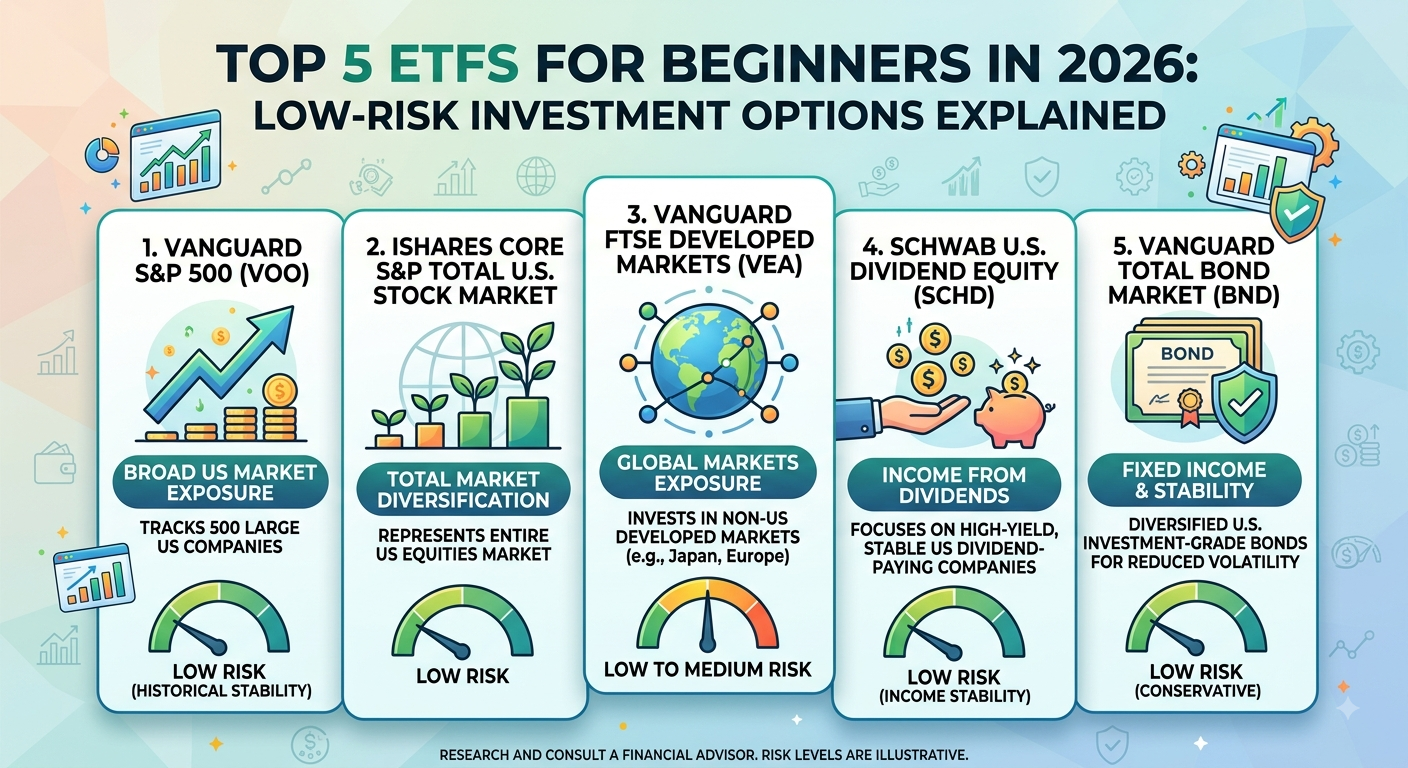
See: Top 5 ETFs for Beginners in 2026: Low-Risk Investment Options Explained
Step 7: Start Small
Beginners can reduce the risk of making a major mistake by starting with an amount they can afford to keep invested while they learn.
Step 8: Invest Consistently
Instead of trying to predict the perfect time to buy, some long-term investors choose to invest fixed amounts at regular intervals.
Step 9: Keep Records
Keep records of deposits, purchases, sales, dividends, fees, currency conversions, and relevant tax documents.
Common Mistakes
1. Chasing Popular Stocks
Buying a stock simply because it is trending on social media can expose you to unnecessary risk.
2. Investing With Borrowed Money
Beginners should generally avoid using loans or other borrowed funds to speculate in stocks.
3. Ignoring Fees
Small charges can reduce returns over time. Check brokerage fees, currency-conversion charges, withdrawal fees, spreads, and any other applicable costs.
4. Ignoring Currency Risk
Do not evaluate a foreign investment solely by looking at the stock's dollar return. Consider how the naira-dollar exchange rate affects your actual result.
5. Putting Everything Into One Company
Concentrating your entire portfolio in one stock creates significant company-specific risk.
6. Panic Selling
Markets can fall sharply. Selling purely because of short-term price movements can turn temporary losses into permanent ones.
7. Using Unverified Platforms
Do not send money to an investment platform simply because someone on social media recommends it. Nigeria's SEC advises investors to verify the registration status of investment operators before committing funds.
Risks
Market Risk
Stock prices can decline because of economic conditions, interest rates, company performance, geopolitical events, or changes in investor expectations.
Currency Risk
Changes in the naira-dollar exchange rate can increase or reduce the value of your investment when converted back into naira.
Company Risk
An individual company can experience falling sales, increased competition, management problems, lawsuits, regulatory challenges, or other difficulties.
Platform Risk
Your experience also depends on the investment platform and its underlying brokerage and custody arrangements. Research how your assets are held and what protections apply before investing.
Regulatory Risk
Rules governing international investment platforms and cross-border transactions can change. Nigerian investors should check current regulatory information rather than relying on old social-media posts or outdated guides.
Tax Risk
International investments can create tax-reporting and withholding considerations. U.S. dividend withholding, in particular, should be understood before investing.
FAQ Section
1. Can Nigerians invest in U.S. stocks?
Nigerian residents may be able to obtain access to U.S. securities through platforms or brokers that legally provide such services to them. Availability depends on the platform, its regulatory structure, and current applicable rules.
2. How much money do I need to start investing in U.S. stocks from Nigeria?
There is no single minimum amount. Some platforms support fractional shares, allowing investors to begin with relatively small amounts. Always consider transaction and currency-conversion costs before deciding how much to invest.
3. Do I need a U.S. bank account?
Not necessarily. Some investment platforms provide funding methods designed for international investors. Requirements vary, so check the current funding options of the broker or platform you choose.
4. Do Nigerian investors pay U.S. tax on stock investments?
U.S. tax treatment depends on the type of income and the investor's circumstances. U.S.-source dividends paid to nonresident aliens are generally subject to withholding, commonly at 30% unless a lower treaty rate applies. Form W-8BEN is generally used to establish foreign status.
5. Are U.S. stocks safer than Nigerian stocks?
Not automatically. U.S. markets contain many large and established companies, but all stocks carry risk. Investing internationally also introduces currency, regulatory, tax, and platform considerations.
Conclusion
Investing in U.S. stocks from Nigeria can provide access to international companies and help diversify an investment portfolio beyond the Nigerian market.
However, successful investing requires more than opening an account and buying a popular stock. Beginners should understand brokerage platforms, diversification, currency conversion, fees, taxes, regulation, and investment risk before committing their money.
The best starting point is to learn first, choose a properly regulated and transparent platform, begin with an affordable amount, and build a long-term investment strategy.
Most importantly, remember that there are no guaranteed returns in the stock market. Treat U.S. stocks as long-term investments rather than a shortcut to quick wealth.