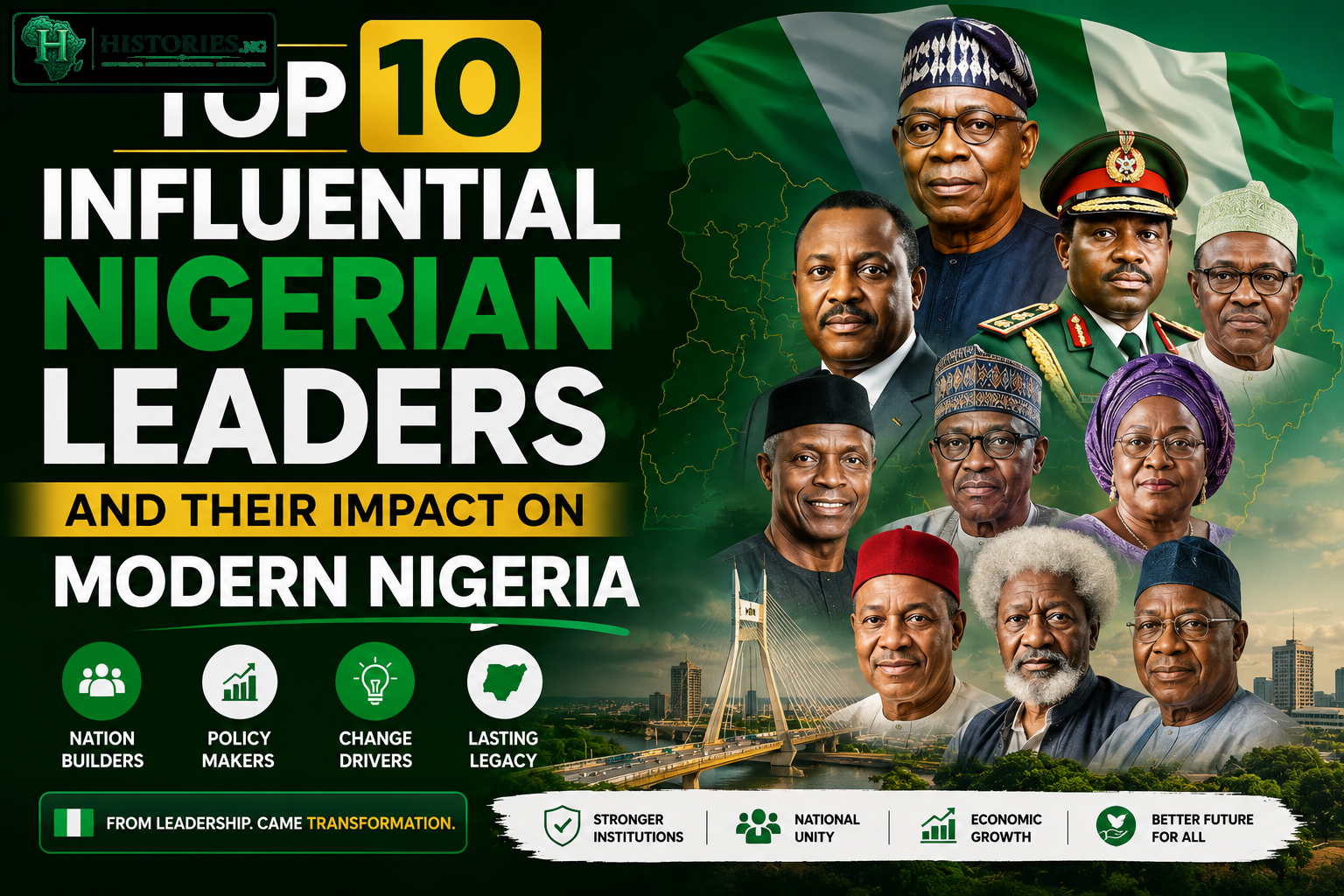
Top 10 Influential Nigerian Leaders and Their Impact on Modern Nigeria
Top 10 Influential Nigerian Leaders and Their Impact on Modern Nigeria
Nigeria's modern history has been shaped by political leaders, nationalists, military rulers, and elected presidents who influenced the country's institutions, economy, foreign relations, and national identity.
From the struggle for independence to the challenges of building a democratic state, different Nigerian leaders have left different legacies. Some helped establish democratic institutions, while others played major roles in national development, political reform, economic policy, or the struggle for self-government.
This article examines 10 influential Nigerian leaders and explains their major contributions and impact on modern Nigeria. Influence does not necessarily mean that every leader was universally successful or admired. Rather, these figures are included because their decisions and political activities had a significant effect on Nigeria's historical development.
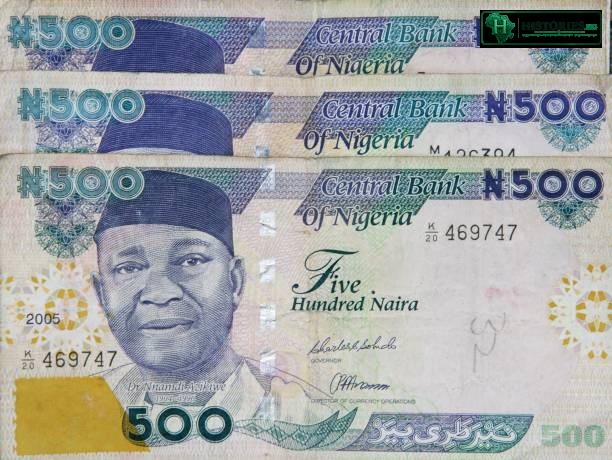
1. Nnamdi Azikiwe
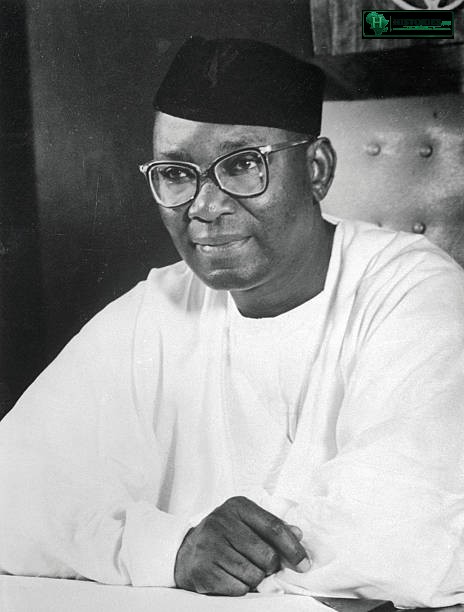
Nnamdi Azikiwe, popularly known as "Zik," was one of Nigeria's most important nationalist leaders and became the country's first Governor-General after independence and later its first President.
Early Political Career
Azikiwe became prominent during the nationalist movement against British colonial rule. Through journalism, political organization, and public speaking, he advocated for greater African political participation and eventual self-government.
He was closely associated with the National Council of Nigeria and the Cameroons (NCNC), which became one of the major nationalist political organizations during the final years of colonial rule.
Impact on Modern Nigeria
Azikiwe contributed to the development of Nigerian nationalism and helped popularize the idea that Nigerians should have greater control over their political affairs.
His career also demonstrated the importance of newspapers and political communication in the struggle for independence.
2. Obafemi Awolowo
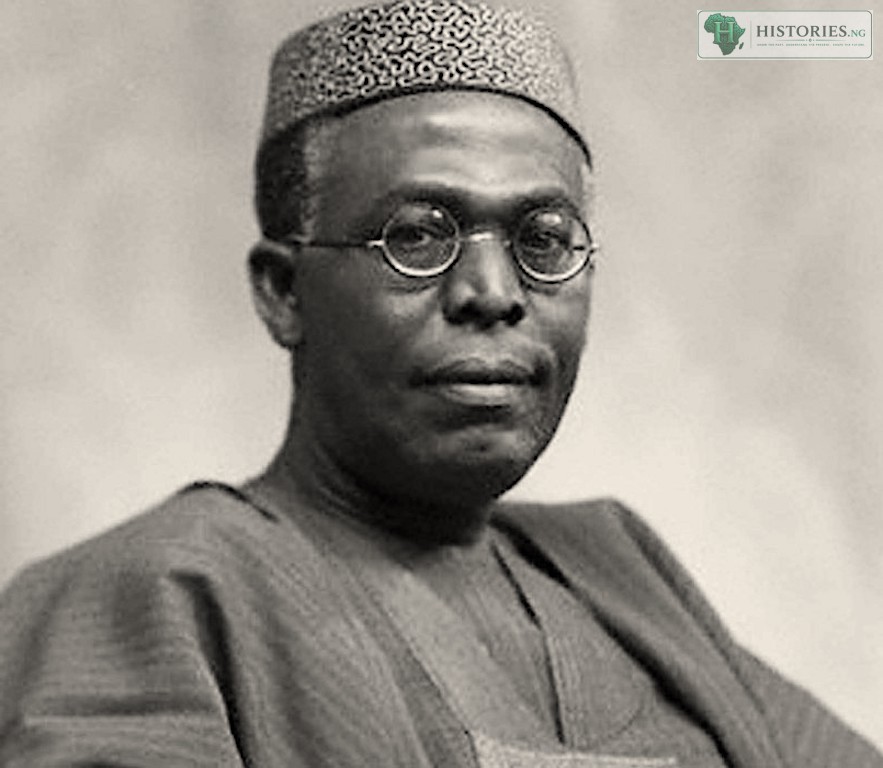
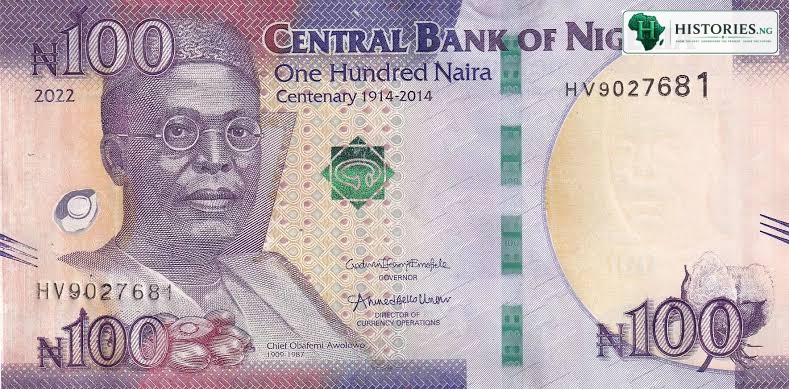
Obafemi Awolowo was a nationalist, politician, lawyer, and major political thinker who played an important role in the development of Nigeria's political and social institutions.
Leadership and Political Ideas
Awolowo was a leading figure in the Action Group, a political party that was particularly influential in the Western Region during the colonial and early independence periods.
As the first Premier of the Western Region, he promoted policies that expanded access to education and public services.
Impact on Education
One of Awolowo's most significant legacies was the expansion of free primary education in the Western Region beginning in the 1950s.
The policy significantly increased access to formal education and contributed to the development of a larger educated population in the region.
Impact on Modern Nigeria
Awolowo's ideas about education, federalism, economic development, and public administration continue to influence political discussions in Nigeria.
3. Ahmadu Bello
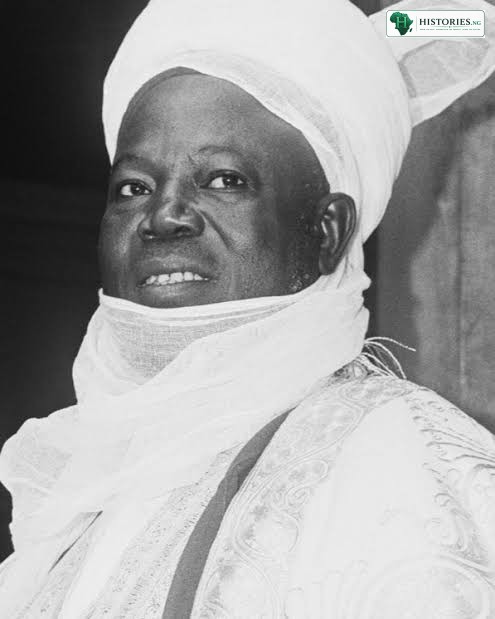
Sir Ahmadu Bello was the Sardauna of Sokoto and the first Premier of the Northern Region. He became one of the most influential political leaders in northern Nigeria during the late colonial period.
Leadership in Northern Nigeria
Bello led the Northern People's Congress (NPC) and played a major role in representing northern political interests during the transition to independence.
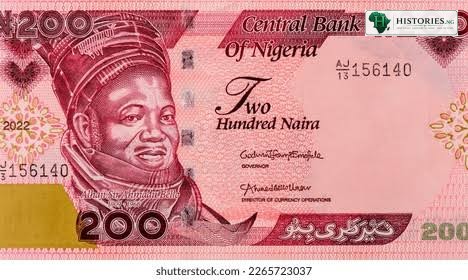
Rather than serving as Nigeria's first Prime Minister, Bello remained in the Northern Region while Abubakar Tafawa Balewa became Prime Minister of the federation.
Impact on Development
His administration promoted education, public administration, agriculture, and the development of institutions in northern Nigeria.
Bello also supported the creation and expansion of educational institutions that contributed to the development of skilled professionals in the region.
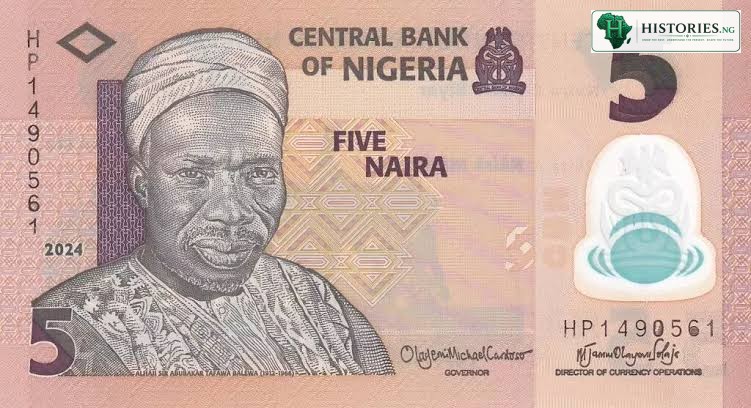
4. Abubakar Tafawa Balewa
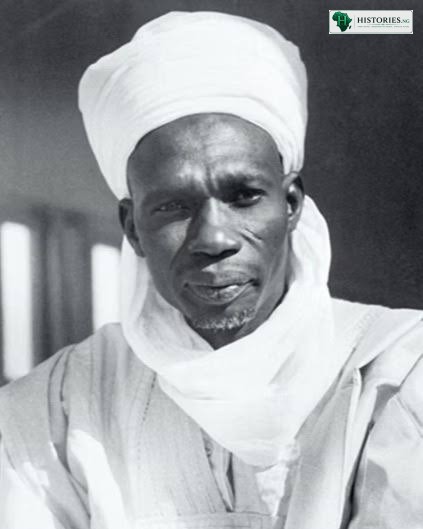
Abubakar Tafawa Balewa was Nigeria's first Prime Minister and one of the country's most important leaders during the transition from colonial rule to independence.
Role in Independence
Balewa worked with other nationalist leaders during the constitutional negotiations that eventually led to Nigeria's independence on October 1, 1960.
He became Prime Minister at independence and remained in office until the military coup of January 1966.
Foreign Policy
Balewa played an important role in establishing Nigeria's early foreign-policy position. His government emphasized peaceful relations, African unity, and opposition to colonialism and apartheid.
Impact on Modern Nigeria
As the country's first Prime Minister, Balewa helped establish the foundations of Nigeria's early parliamentary government and diplomatic relations.
5. Yakubu Gowon
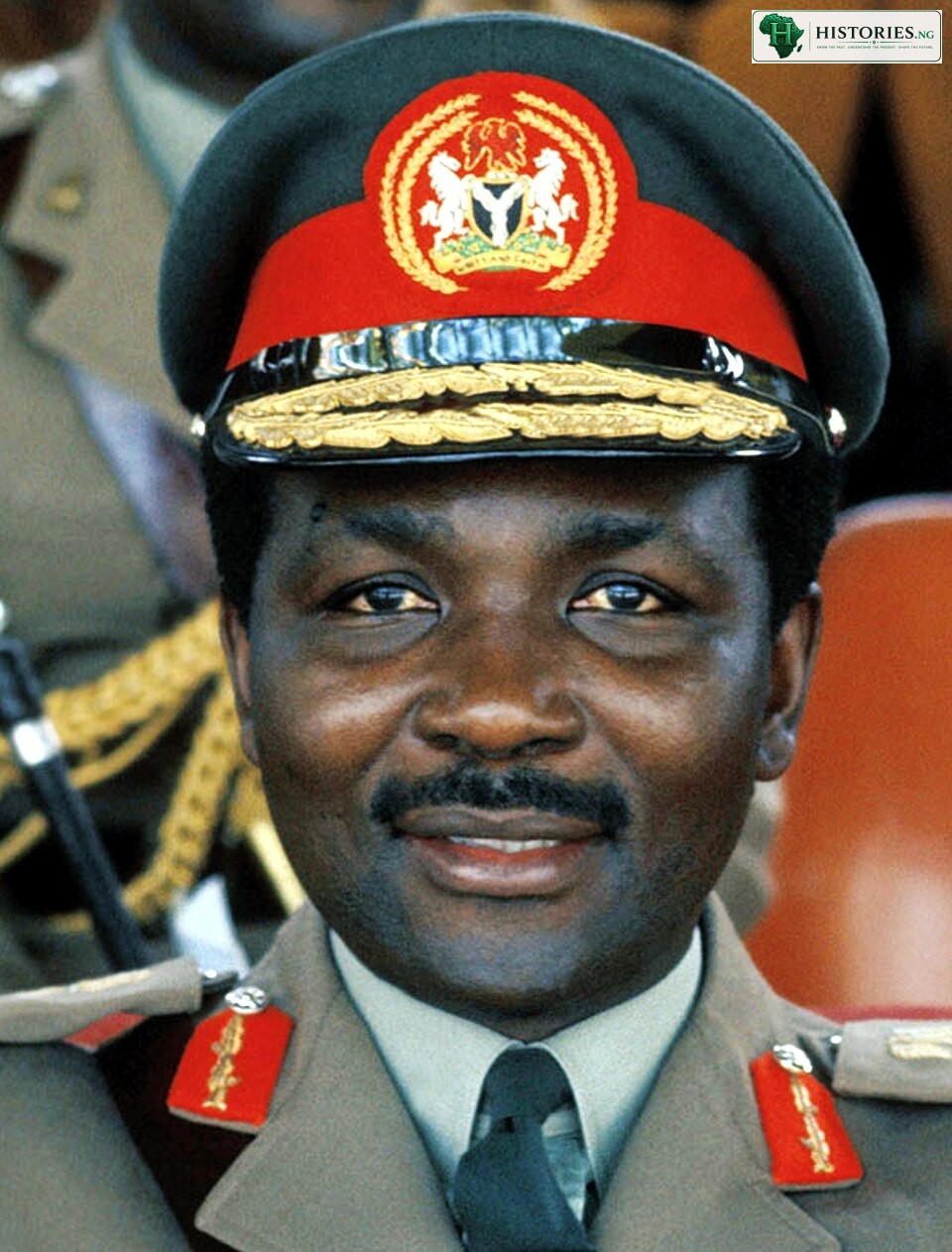
General Yakubu Gowon became Nigeria's military Head of State in 1966 and led the country during the Nigerian Civil War from 1967 to 1970.
The Nigerian Civil War
Gowon's government faced the secession of the Eastern Region under the leadership of Emeka Ojukwu, leading to the Nigerian Civil War.
The war lasted from 1967 to 1970 and resulted in enormous loss of life and widespread destruction.
Post-War Reconstruction
After the war, Gowon promoted the policy of "No Victor, No Vanquished," emphasizing national reconciliation and reconstruction.
His government also benefited from the growing importance of petroleum revenues during the oil boom of the 1970s.
Impact on Modern Nigeria
Gowon's leadership remains closely connected with Nigeria's territorial unity and the post-war reconstruction period.
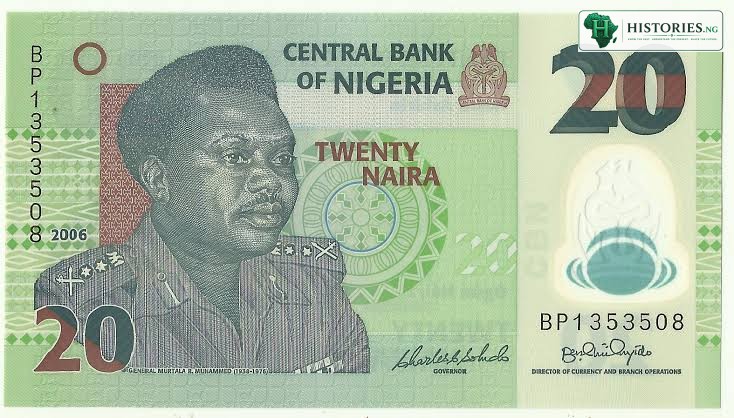
6. Murtala Mohammed
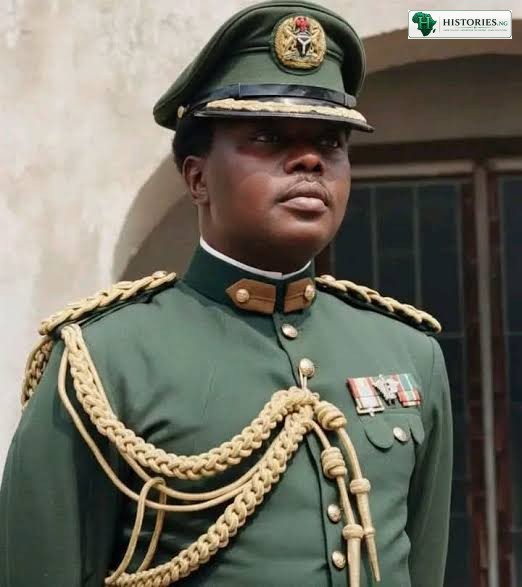
General Murtala Ramat Mohammed became Nigeria's Head of State in 1975 and introduced major administrative and political changes during his short period in office.
Government Reforms
His administration announced plans to return Nigeria to civilian government and carried out significant reforms in the public service.
One important reform was the creation of additional states, increasing the number of states in Nigeria from 12 to 19 in 1976.
Foreign Policy
Murtala Mohammed's government adopted a strong position on African liberation movements, particularly opposition to colonialism and white minority rule in southern Africa.
Impact on Modern Nigeria
Although his government lasted only a short time, Murtala Mohammed became associated with administrative reform, Nigerian nationalism, and a more assertive foreign policy.
7. Olusegun Obasanjo
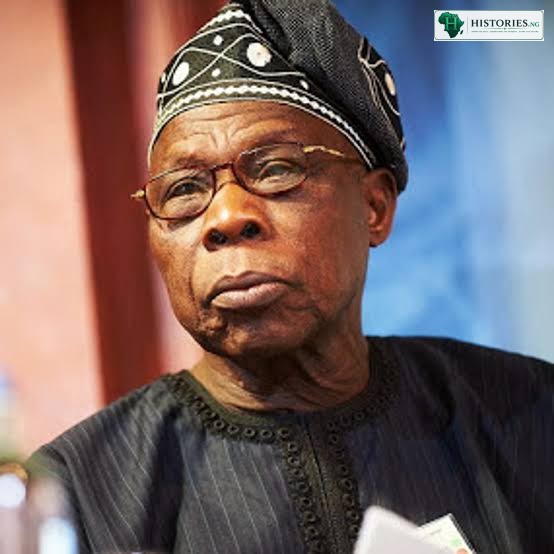
Olusegun Obasanjo is one of the most significant figures in Nigeria's political history because he served as both a military Head of State and a democratically elected President.
Military Leadership
Obasanjo became Head of State in 1976 following the assassination of Murtala Mohammed. His government oversaw the transition to civilian rule in 1979.
Power was transferred to an elected civilian government led by Shehu Shagari, making Obasanjo the first Nigerian military ruler to voluntarily transfer power to an elected civilian administration.
Return to Democratic Politics
Obasanjo returned to political office as President in 1999 following years of military rule. His election marked the beginning of Nigeria's Fourth Republic.
Major Reforms
His civilian administration pursued economic reforms, telecommunications liberalization, banking-sector reforms, and efforts to reduce Nigeria's external debt.
Nigeria also secured significant debt relief during his administration, including an agreement with the Paris Club in 2005.
8. Umaru Musa Yar'Adua
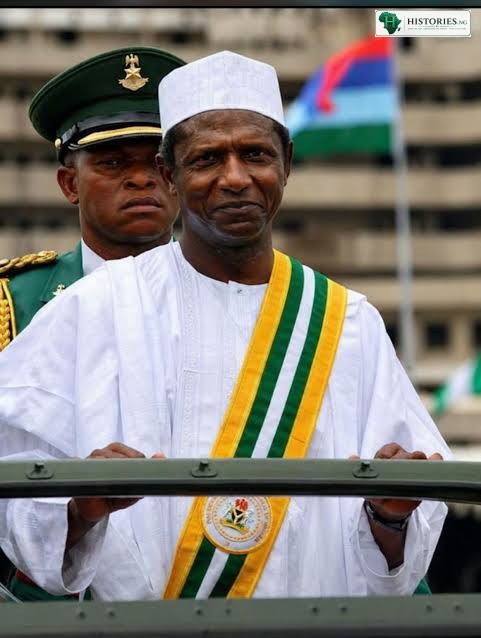
Umaru Musa Yar'Adua became President of Nigeria in 2007 and is remembered for emphasizing constitutional governance and reforms in the country's petroleum sector and electoral system.
Electoral Reform
Yar'Adua openly acknowledged shortcomings in the 2007 presidential election that brought him to office and established the Electoral Reform Committee led by former Chief Justice Mohammed Uwais.
The committee examined problems affecting Nigeria's electoral system and proposed reforms aimed at improving elections.
Niger Delta Policy
His administration also pursued the Presidential Amnesty Programme for militants in the Niger Delta in 2009.
The programme contributed to a significant reduction in militant attacks and helped improve stability in the oil-producing region.
Impact on Modern Nigeria
Yar'Adua's administration strengthened discussions about electoral reform, constitutionalism, and peaceful conflict resolution.
9. Goodluck Jonathan
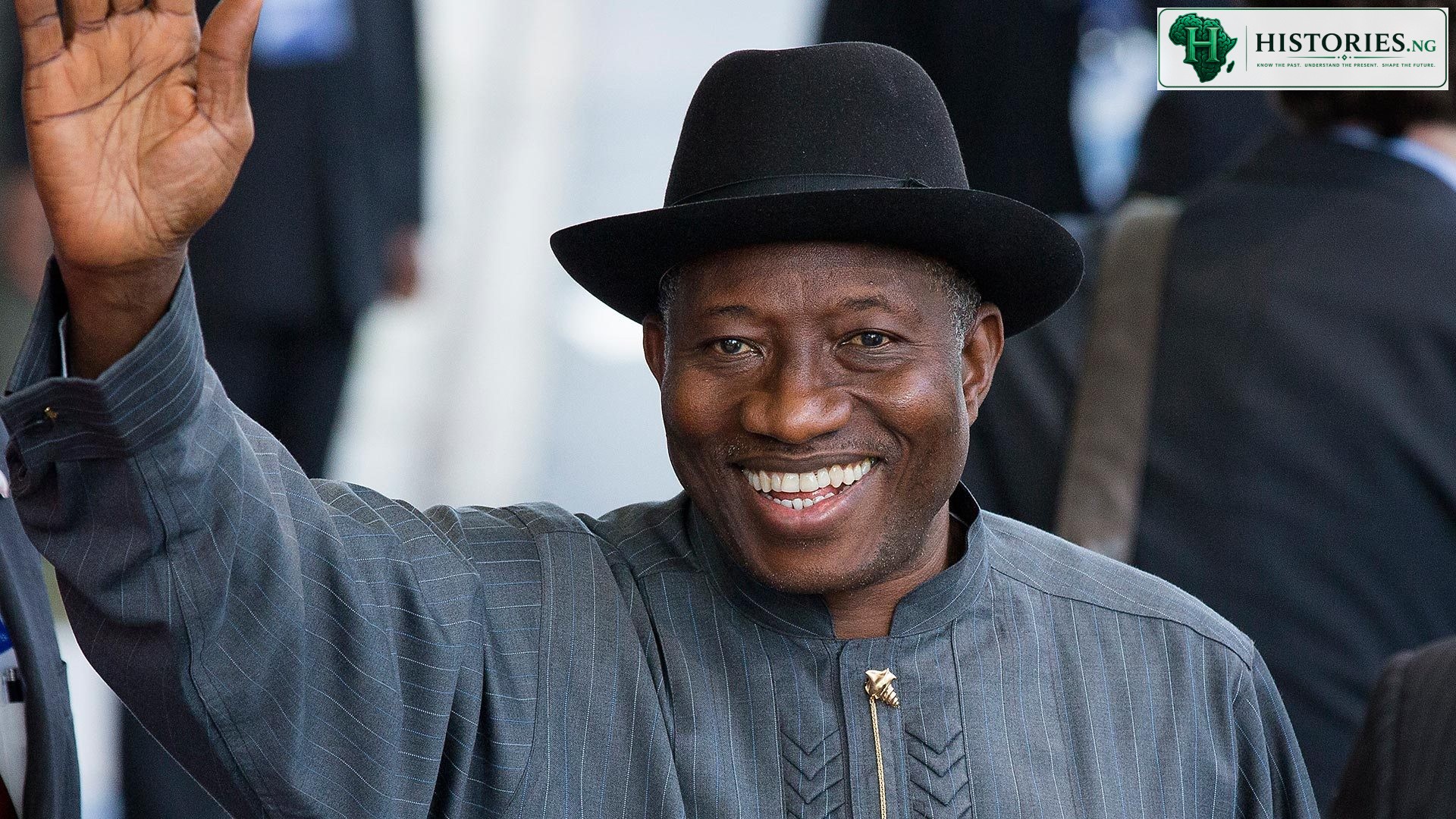
Goodluck Ebele Jonathan served as President of Nigeria from 2010 to 2015. His presidency was significant because he peacefully conceded defeat after the 2015 presidential election.
2015 Presidential Election
Jonathan contested the 2015 election against Muhammadu Buhari. After the results indicated that Buhari had won, Jonathan conceded defeat before the final results were formally announced.
His concession helped reduce political tension and contributed to the peaceful transfer of presidential power between two major political parties.
Economic and Infrastructure Development
Jonathan's administration pursued investments in infrastructure, agriculture, power, and economic diversification.
The government also introduced reforms in the agricultural sector, including efforts to improve access to fertilizer and agricultural inputs.
Impact on Modern Nigeria
Jonathan's decision to accept the 2015 election result became an important example of peaceful political transition in Nigeria.
10. Muhammadu Buhari
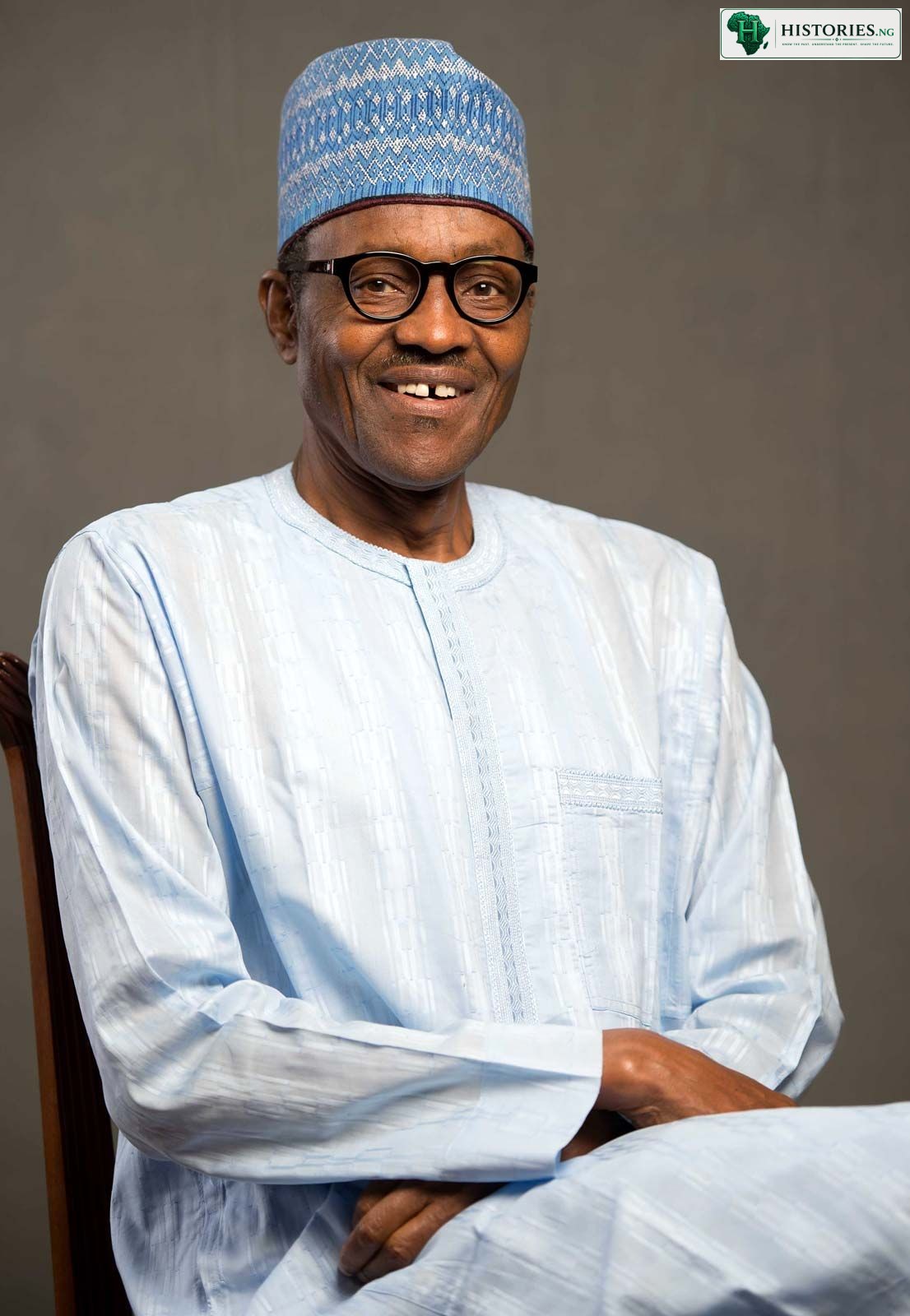
Muhammadu Buhari was a former military Head of State who returned to power as a democratically elected President in 2015.
Military Leadership
Buhari first became Nigeria's military Head of State in December 1983 following a military coup. His military government introduced an anti-corruption campaign and pursued strict economic policies.
Return to Democratic Politics
In 2015, Buhari won the presidential election as the candidate of the All Progressives Congress (APC), defeating incumbent President Goodluck Jonathan.
His victory was historically significant because it marked the first time an incumbent Nigerian president had been defeated by an opposition candidate in a national election.
Anti-Corruption and Security
Buhari made anti-corruption efforts and national security major priorities of his administration.
His government also continued military operations against Boko Haram and invested in infrastructure and transportation projects.
Impact on Modern Nigeria
Buhari's political career demonstrates the complex transition of Nigerian leaders between military rule and democratic politics.
What These Leaders Changed in Nigeria
The influence of these leaders can be seen across several important areas of Nigerian society.
Political Development
Azikiwe, Awolowo, Bello, and Balewa helped shape the political institutions that emerged during the transition from colonial rule to independence.
Later leaders such as Obasanjo, Yar'Adua, Jonathan, and Buhari influenced the development of Nigeria's Fourth Republic.
Education
Awolowo's educational policies in the Western Region demonstrated how government investment in education could transform access to schooling and human capital.
National Unity
The leadership of Gowon during and after the Nigerian Civil War was closely associated with the preservation of Nigeria's territorial unity and post-war reconciliation.
Economic Development
Different administrations pursued economic reforms, industrial development, agricultural programs, infrastructure projects, and policies aimed at improving Nigeria's economic position.
Democratic Transition
Nigeria's transition between military and civilian governments involved several leaders. Obasanjo's 1979 transfer of power and Jonathan's 2015 concession are particularly important examples of peaceful political transitions.
How Their Legacies Are Viewed Today
The legacy of Nigerian leaders is rarely straightforward. Many of these figures are remembered for both achievements and controversies.
Some policies produced long-term benefits, while others created problems that later governments had to address. Political decisions were also influenced by the economic conditions, ethnic tensions, security challenges, and institutional weaknesses of their respective periods.
Studying these leaders therefore requires looking beyond praise or criticism and examining the historical circumstances in which they governed.
FAQ Section
1. Who was Nigeria's first president?
Nnamdi Azikiwe became Nigeria's first President when the country became a republic in 1963. Before that, he served as Governor-General after independence in 1960.
2. Who was Nigeria's first Prime Minister?
Abubakar Tafawa Balewa was Nigeria's first Prime Minister and served from independence in 1960 until the military coup of January 1966.
3. Who was the first military Head of State of Nigeria?
Major General Johnson Thomas Umunnakwe Aguiyi-Ironsi became Nigeria's first military Head of State following the January 1966 coup.
4. Which Nigerian leader introduced free primary education in the Western Region?
Obafemi Awolowo, as Premier of the Western Region, introduced a major free primary education programme in the 1950s.
5. Why is Goodluck Jonathan's 2015 concession important?
Jonathan's decision to concede defeat to Muhammadu Buhari helped facilitate a peaceful transfer of presidential power between the ruling party and the opposition. It is widely regarded as an important moment in Nigeria's democratic history.
Conclusion
Nigeria's modern political history has been shaped by leaders with very different backgrounds, political philosophies, and governing styles.
Nnamdi Azikiwe and Obafemi Awolowo contributed to the nationalist movement and the development of early political institutions. Ahmadu Bello and Abubakar Tafawa Balewa played major roles in northern and national politics during the transition to independence. Later leaders such as Yakubu Gowon, Murtala Mohammed, Olusegun Obasanjo, Umaru Musa Yar'Adua, Goodluck Jonathan, and Muhammadu Buhari shaped different stages of Nigeria's post-independence political development.
Their legacies provide valuable lessons about leadership, democracy, national unity, education, economic policy, and public administration. Understanding these figures also helps students and researchers understand how modern Nigeria developed and why many of the country's current political and social issues have deep historical roots.